Can You Put Traditional Wallpaper in a Full Bathroom with a Shower?
Deciding whether you can put traditional wallpaper in a full bathroom with a shower is a common dilemma for homeowners looking to elevate their interior design. While the aesthetic appeal of decorative paper is undeniable, the presence of constant steam and splashing water creates a hostile environment for standard cellulose-based products.
Understanding the structural risks and the specific types of materials required is essential before you commit to a renovation project. This article examines the practical realities of using paper in humid zones, helping you determine if your specific bathroom setup can support such a design choice without suffering from premature peeling, mold growth, or structural damage to your walls.
The Verdict on Traditional Wallpaper in Wet Areas
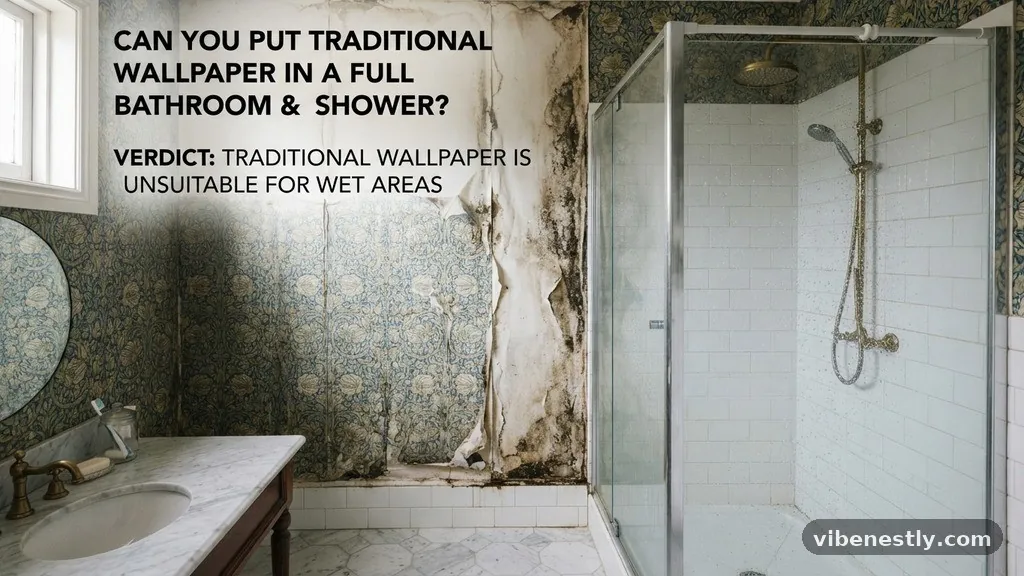
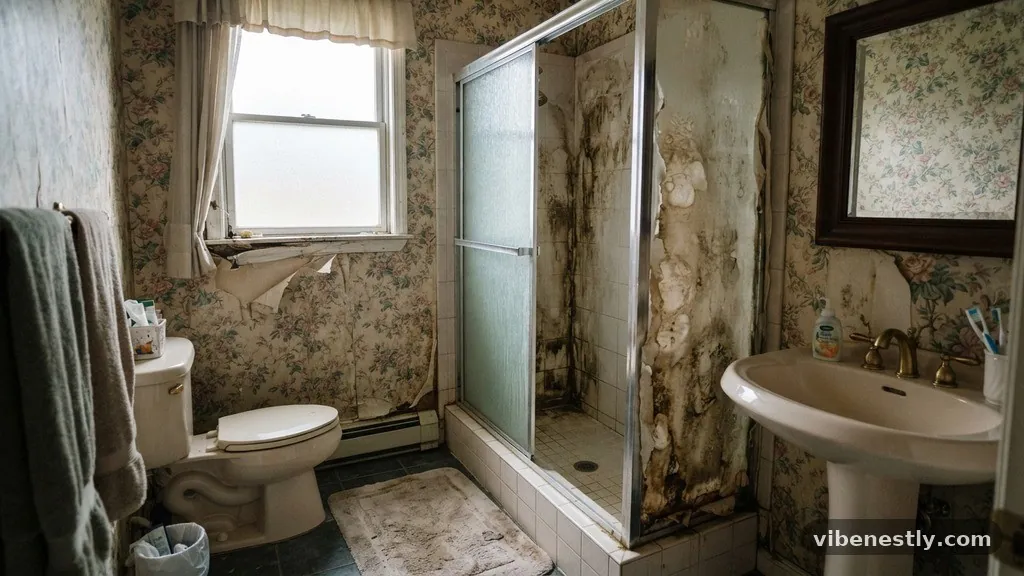
The short answer is that you generally should not use standard, non-treated traditional wallpaper in a full bathroom with a shower. Traditional wallpaper is typically made from pulp or cellulose, which acts like a sponge when exposed to high levels of humidity. Once the paper absorbs moisture, the adhesive bond begins to fail, leading to unsightly bubbling, curling at the seams, and eventual detachment.
Beyond the aesthetic failure, there is a serious health concern regarding mold and mildew. Because traditional paper is porous, it traps moisture against the drywall or plaster behind it.
This creates an ideal breeding ground for fungi that can compromise your indoor air quality and cause long-term damage to the wall substrate. If you are determined to have a patterned look in your shower area, you must look for alternatives specifically engineered for high-moisture spaces.
Understanding Moisture and Humidity Challenges
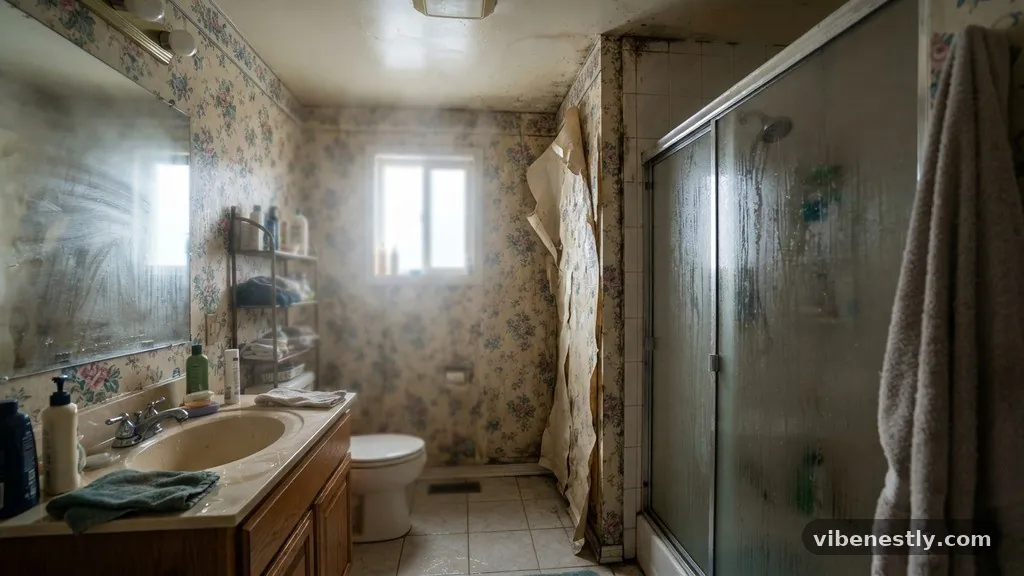
Bathrooms are unique environments because they experience rapid fluctuations in temperature and moisture levels. Every time you run a hot shower, the air becomes saturated with water vapor, which then condenses on every cool surface in the room. If your bathroom lacks a high-powered, properly vented exhaust fan, this moisture has nowhere to go.
This persistent humidity is the primary enemy of traditional paper. Even if you do not splash water directly onto the wall, the ambient moisture will eventually penetrate the paper’s surface.
Over time, this cycle of expansion and contraction causes the material to fatigue. Once the integrity of the paper is broken, the moisture reaches the paste, which dissolves and loses its tackiness.
Evaluating Vinyl and Moisture-Resistant Alternatives
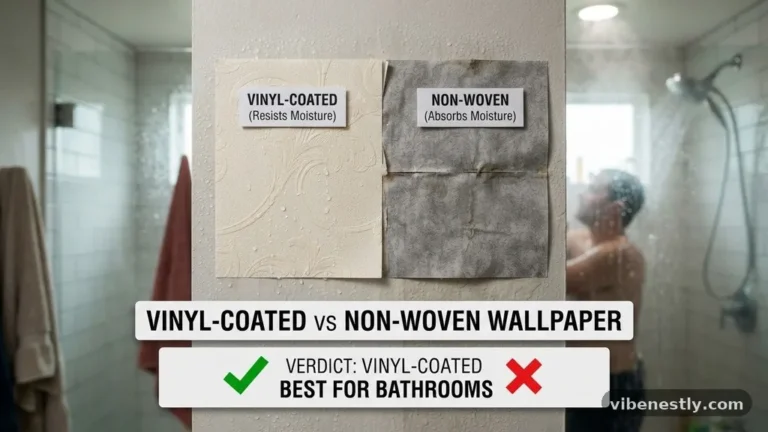
If you want the look of wallpaper but need the durability of a bathroom-friendly material, vinyl is the industry standard. Unlike paper, vinyl is a synthetic plastic material that is inherently non-porous and water-repellent. It effectively acts as a barrier, preventing steam from reaching the adhesive or the wall surface underneath.
Many modern products are classified as “washable” or “scrubbable,” meaning they can handle the occasional splash or wipe-down with a damp cloth. When choosing a vinyl option, look for a heavy-duty commercial grade if you are placing it in a high-traffic area. These materials are designed to withstand the wear and tear of residential bathrooms while maintaining their pattern and color integrity for years.
The Role of Specialized Adhesives and Primers
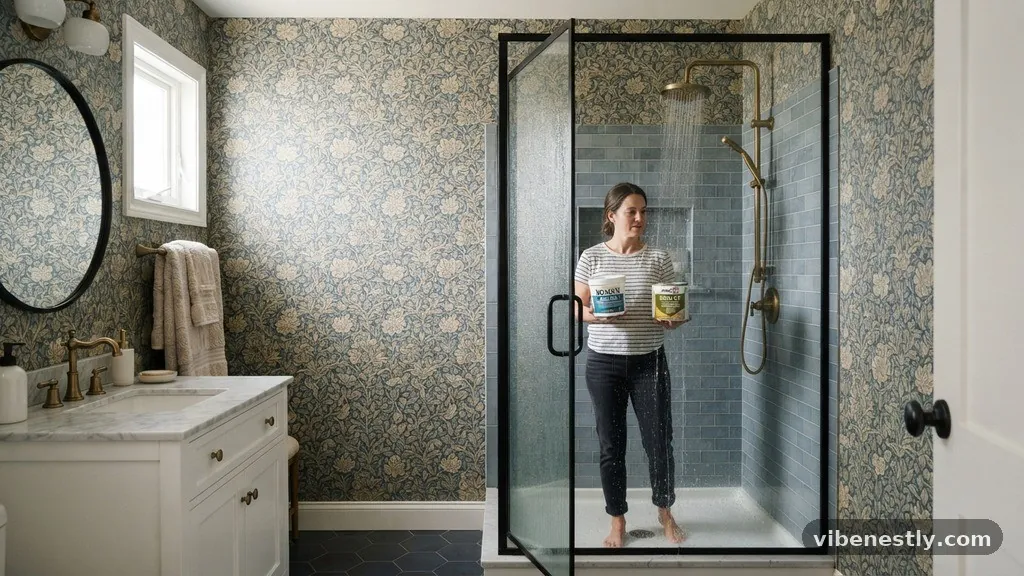
Even if you select a moisture-resistant wallpaper, the installation process is just as critical as the material itself. Standard wallpaper paste is water-soluble, which makes it easy to remove but also makes it vulnerable to humidity. To combat this, professional installers use moisture-resistant adhesives that are specifically formulated to maintain their bond even when exposed to damp conditions.
Proper preparation of the wall surface is another vital step in the process. You must apply a high-quality, mold-inhibiting primer to the drywall before hanging any paper.
This creates a sealed, non-porous foundation that prevents moisture from seeping into the wall cavity. According to guidelines from the Environmental Protection Agency on mold prevention, controlling moisture at the source is the most effective way to keep your home healthy.
Placement Strategies for Longevity
If you are set on using decorative wall coverings, you do not necessarily have to cover every square inch of the bathroom. The most dangerous area for any paper is inside the shower enclosure or directly behind the vanity sink. These zones receive the most direct water contact and are prone to the highest moisture accumulation.
Consider a “zoned” approach to your bathroom design. Use high-quality tile or stone in the wettest areas, such as the shower surround and the backsplash, and reserve the wallpaper for the “dry” walls. This allows you to introduce pattern and color into the space without exposing delicate materials to the constant threat of water damage.
Comparing Common Bathroom Wall Treatments
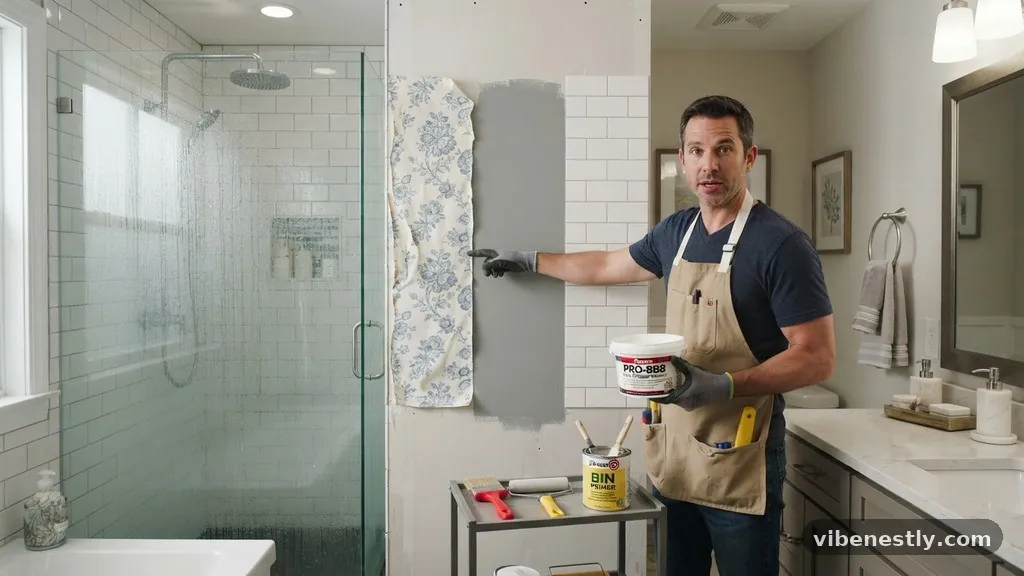
When choosing how to finish your bathroom walls, it helps to weigh the pros and cons of various materials. Each option offers a different balance of aesthetic appeal, cost, and maintenance requirements.
| Material Type | Moisture Resistance | Installation Difficulty | Expected Lifespan |
|---|---|---|---|
| Traditional Paper | Low | Medium | 1-3 Years |
| Vinyl Wallpaper | High | Medium | 7-10 Years |
| Ceramic Tile | Excellent | High | 20+ Years |
| Moisture-Resistant Paint | Medium | Low | 5-8 Years |
What About Peel-and-Stick Options?
Peel-and-stick wallpaper has gained massive popularity for its ease of use and temporary nature. Many of these products are made from vinyl or polyester, which makes them inherently more resistant to water than traditional pulp-based paper. However, the adhesive on the back of these products can be a point of failure in a bathroom.
If the wall surface is not perfectly smooth, or if there is any residual moisture or dust, the adhesive may not stick correctly. Additionally, the edges of peel-and-stick sheets are often where moisture begins to creep in.
Over time, the constant expansion and contraction of the wall due to humidity can cause the edges to lift. If you choose this route, ensure you are using a product specifically marketed for bathroom or kitchen use.
Varnishing as a Protective Measure
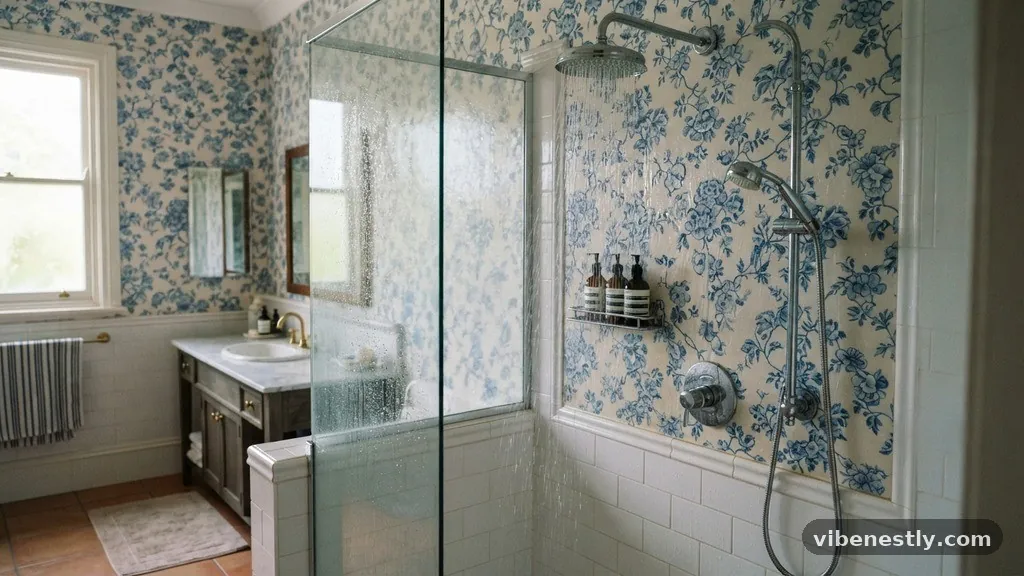
Some homeowners attempt to save traditional paper by applying a clear coat of varnish or polycrylic over the top. While this does create a water-resistant seal on the surface, it is rarely a perfect solution. The varnish can yellow over time, and it may change the texture or finish of the wallpaper.
Furthermore, if moisture does manage to get behind the paper—perhaps through a tiny pinhole or at the baseboard—the varnish will actually trap that moisture against the wall. This can lead to hidden mold growth that you won’t see until it is too late. Generally, it is better to buy a product that is designed to be moisture-resistant from the factory rather than trying to “waterproof” a material that was never meant for it.
Essential Maintenance for Bathroom Walls
Regardless of the material you choose, maintenance is the key to preventing damage in a full bathroom. The most important tool in your arsenal is a properly sized exhaust fan. You should run the fan during your shower and for at least 20 to 30 minutes afterward to ensure all steam is removed from the room.
If you notice condensation on the walls after a shower, wipe it down immediately with a dry cloth. This simple act prevents water from settling into the seams of your wallpaper or paint. If you see any signs of peeling or bubbling, address them immediately by re-gluing the section or checking for a leak behind the wall.
Common Questions About Bathroom Wallpaper
Is it safe to use wallpaper in a small powder room without a shower?
Yes, powder rooms are significantly safer for traditional wallpaper because they lack the constant steam and high humidity of a full bathroom with a shower. You still need to ensure the room is well-ventilated, but the risk of peeling is much lower.
How do I know if my wallpaper is vinyl-coated or paper?
You can perform a simple water test on a small, inconspicuous area. Place a tiny drop of water on the paper; if it beads up, it is likely vinyl-coated. If the paper absorbs the water and darkens, it is standard porous paper and should not be used in a wet zone.
Can I install wallpaper over existing tiles?
It is generally not recommended to apply wallpaper directly over tile because the grout lines will show through the paper. You would need to smooth out the surface with a skim coat of joint compound first, which is a labor-intensive process.
What is the best way to remove old bathroom wallpaper?
The best method is to use a steamer to reactivate the adhesive, then slowly peel the paper away. Because bathrooms are often humid, the glue may have already softened, making the removal process easier than it would be in a living room.
Does bathroom wallpaper impact home resale value?
High-quality, professionally installed vinyl wallpaper can add character and value to a home. However, poorly installed or damaged wallpaper can be seen as a liability, as potential buyers may worry about what lies beneath the surface.
Conclusion
Whether or not you can put traditional wallpaper in a full bathroom with a shower depends largely on your commitment to maintenance and your choice of materials. While standard paper is likely to fail due to moisture, choosing a high-quality, moisture-resistant vinyl alternative can give you the desired aesthetic without the risk of structural damage. Always prioritize ventilation and proper wall preparation to ensure that your design choice remains beautiful and functional for years to come.
By understanding the limitations of the environment, you can safely incorporate patterns and textures into your bathroom design. If you need further help with your renovation, checking local building codes or consulting with a professional installer can provide extra peace of mind for your project.