
Can You Use Extra Wallpaper Spray Adhesive on Stubborn Curling Edges?
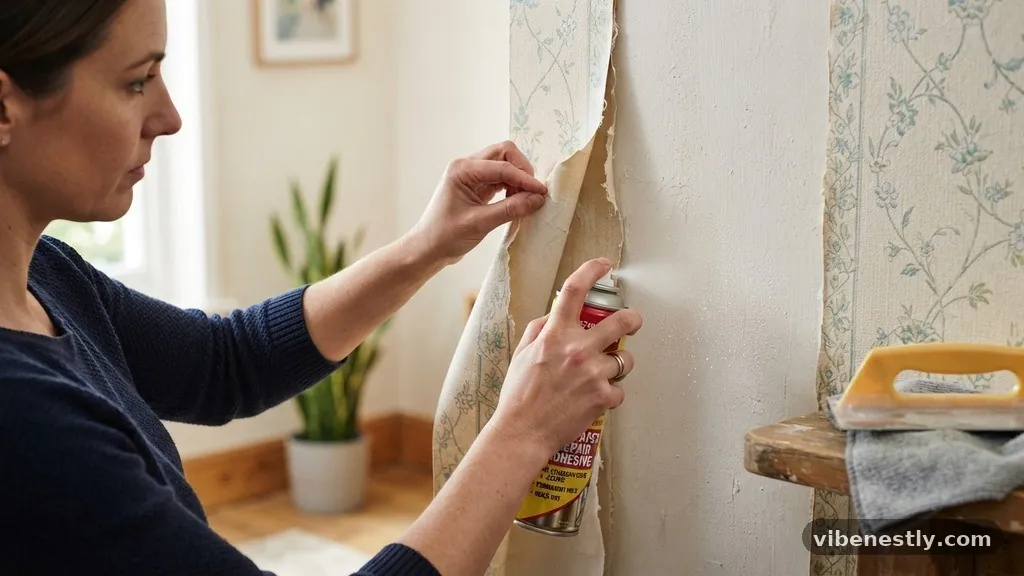
Finding that your wall coverings are starting to peel away is a common frustration for homeowners. Many people wonder if they can use extra wallpaper spray adhesive on stubborn curling edges to solve the problem quickly. The short answer is yes, you can use spray adhesives for these repairs, provided you choose the right product and apply it with precision.
While specialty seam adhesives are often the go-to choice for small sections, a high-quality aerosol adhesive can provide the necessary bond to secure lifting corners. Learning how to manage these repairs ensures your home decor remains pristine without requiring a complete re-installation of the wall treatment.
Understanding Why Wallpaper Edges Fail
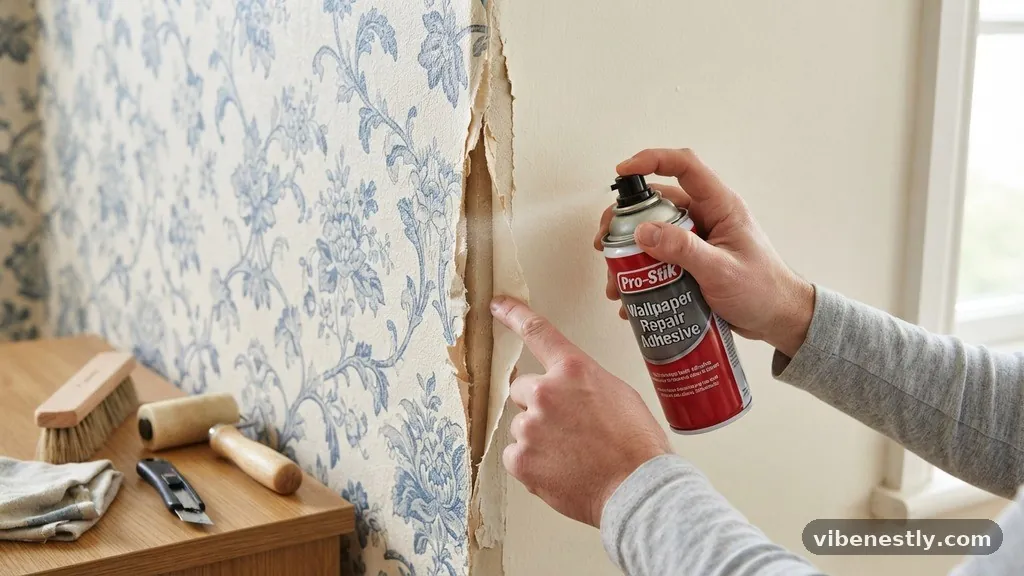
Wallpaper edges typically begin to curl due to a lack of initial adhesion during the hanging process. This often happens because the adhesive was not applied evenly right up to the very edge of the paper.
Over time, changes in humidity and temperature within your home can cause the paper to expand and contract, putting stress on the seams. If the wall surface was not properly primed or cleaned before installation, the bond will be weaker in those specific areas.
Dust, grease, or residual paint on the wall can prevent the paste from creating a strong mechanical hold. Even in well-prepared rooms, the edges are the most vulnerable points because they are constantly exposed to air currents and physical contact.
When you notice a curl, it is essential to act quickly before the paper dries out or becomes misshapen. Leaving a lifted edge for too long can cause the paper to crease permanently, making a smooth repair nearly impossible.
Selecting the Right Adhesive for Repairs
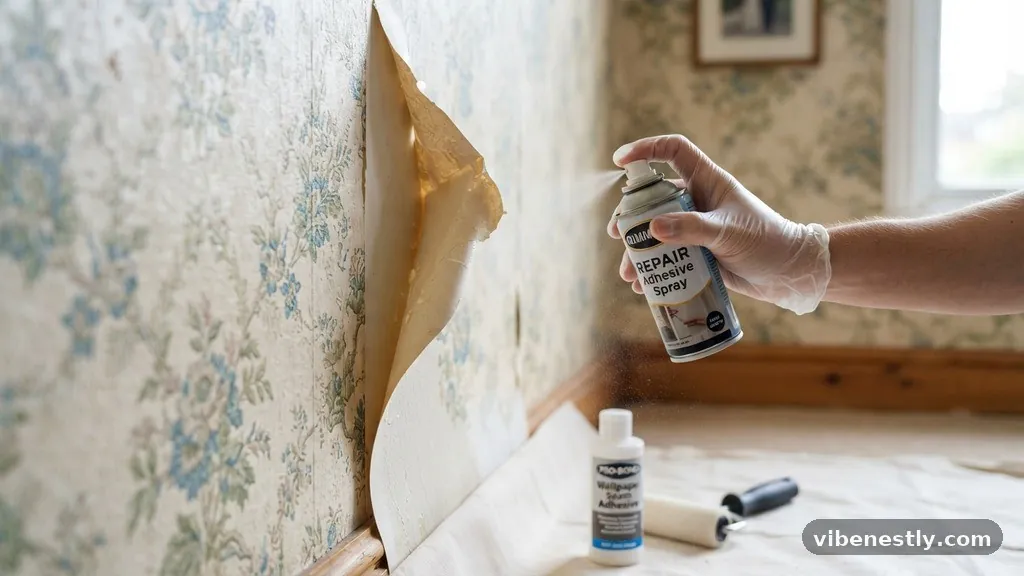
Choosing the correct product is critical when deciding if you can use extra wallpaper spray adhesive on stubborn curling edges. Not all aerosols are created equal, and some contain solvents that might damage or stain delicate materials.
You should look for a non-staining, repositionable spray adhesive specifically labeled for craft or interior design use. These products offer a more controlled mist than heavy-duty industrial contact cements.
It is wise to test the adhesive on a small, hidden scrap of the same paper before applying it to your wall. This allows you to check for discoloration or texture changes that might occur once the product dries.
If you are dealing with heavy-duty or vinyl-coated paper, you might find that a specialized seam adhesive in a tube is easier to manage than a spray. However, for large areas of lifting, the even coverage provided by an aerosol can be a significant advantage.
Preparing the Surface for a Strong Bond
Before you reach for any adhesive, the area under the curling paper must be perfectly clean. Use a soft, slightly damp cloth to wipe away any dust or debris that has collected behind the loose edge.
If there is old, crusty paste, gently scrape it away with a plastic putty knife to avoid damaging the drywall surface. You need a smooth, flat foundation for the new adhesive to create a long-lasting hold.
Ensure the wall is completely dry before proceeding with the application. Moisture trapped behind the paper will prevent the adhesive from setting properly and could lead to mold growth.
If the wall feels cold or damp, you can use a hair dryer on a low, cool setting to speed up the drying process. Taking these extra minutes to prepare the surface will significantly increase your chances of a successful repair.
Applying Adhesive Safely and Precisely
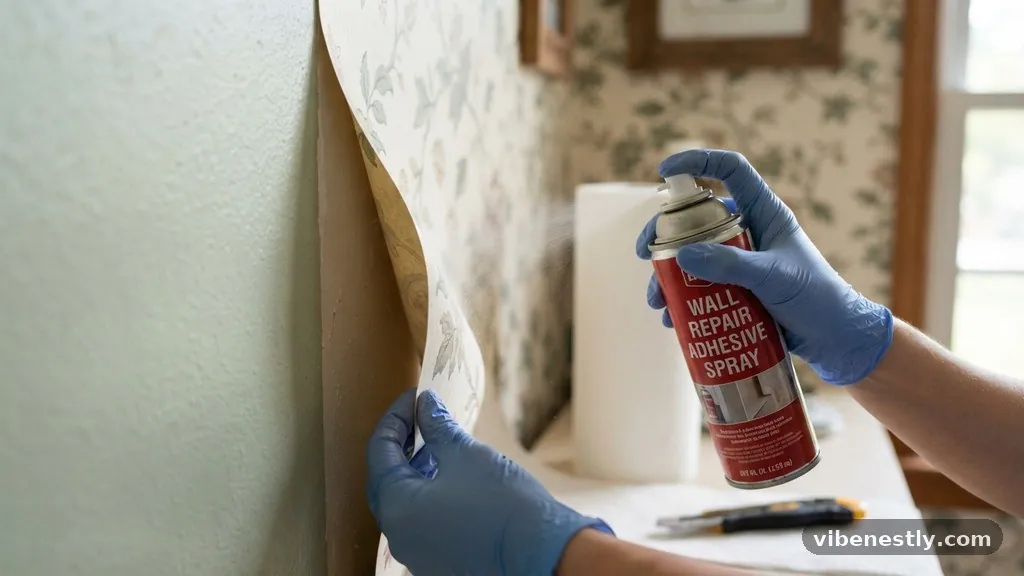
When you are ready to apply the spray, use a piece of cardboard or a plastic sheet to mask off the surrounding area. This prevents overspray from landing on the rest of the wallpaper, which can be difficult to clean off.
Hold the can about six to eight inches away from the surface to ensure an even, light coating. You do not need to saturate the paper; a thin, uniform layer is usually sufficient to create a strong bond.
If you are concerned about precision, spray the adhesive onto a small brush or a cotton swab first. Then, use the tool to apply the glue directly to the back of the wallpaper and the wall surface.
This method offers much more control and eliminates the risk of adhesive landing where it shouldn’t. Once the glue is tacky, gently press the paper back into place, starting from the center of the curl and working outward.
Techniques for Flattening Stubborn Curls
After applying the adhesive and pressing the paper down, you need to ensure it stays in place while it cures. Use a small wallpaper seam roller to apply firm, even pressure along the edge.
The roller helps to push out any trapped air bubbles and ensures the adhesive makes full contact with the wall. Move the roller back and forth several times to get the best results.
If the paper is particularly stiff or stubborn, you may need to hold it in place for a few minutes. You can use a clean, dry cloth to press the edge down firmly with your fingers.
For extremely difficult curls, consider using a piece of painter’s tape to hold the edge tight against the wall while the adhesive dries. Leave the tape in place for at least 24 hours to ensure the bond is fully set before removing it.
Managing Excess Adhesive During the Process
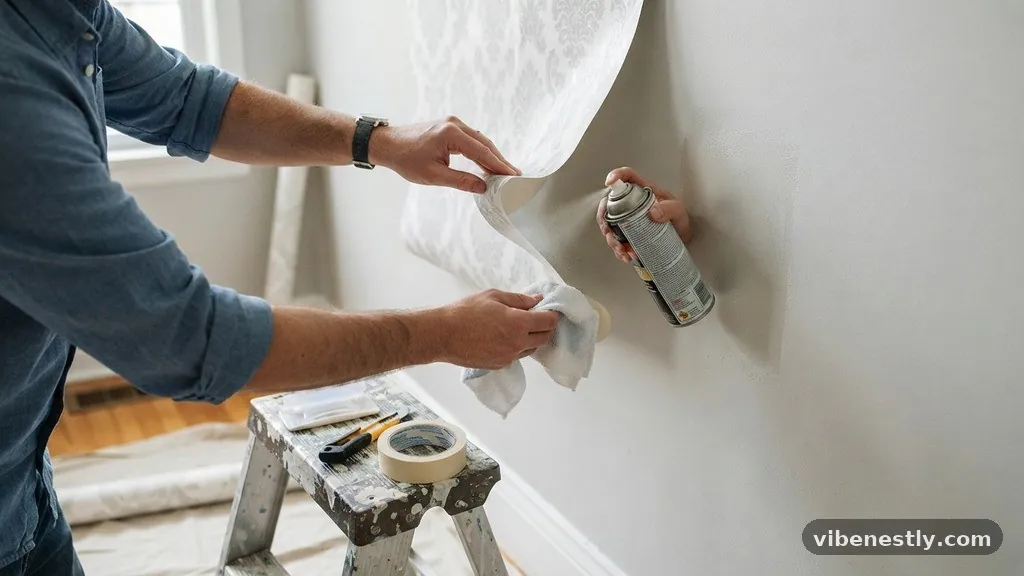
It is almost inevitable that some excess adhesive will squeeze out from under the edge during the repair. You must address this immediately, as dried glue can leave a shiny or tacky residue that attracts dust.
Keep a damp, lint-free cloth nearby to wipe away any stray adhesive before it has a chance to set. Be careful not to scrub too hard, as you could damage the surface of the paper or rub away the color.
If you are working with delicate or textured paper, use a slightly damp sponge to dab the area rather than wiping it. This prevents the adhesive from smearing into the texture of the wallpaper.
For water-sensitive papers, check the manufacturer’s instructions for the appropriate cleaning method. Quick action is the best way to keep your repair looking professional and clean.
Comparing Repair Methods
When you evaluate whether you can use extra wallpaper spray adhesive on stubborn curling edges, it helps to compare this method against traditional alternatives. Each approach has specific benefits depending on the type of paper and the severity of the damage.
| Method | Best For | Ease of Use |
|---|---|---|
| Spray Adhesive | Large areas, light paper | Moderate (requires masking) |
| Seam Adhesive Tube | Small, precise seams | High (built-in applicator) |
| Wallpaper Paste | Heavy or fabric-backed paper | Low (requires mixing) |
| Double-Sided Tape | Quick, temporary fixes | Very High |
Each of these methods relies on the same principle of creating a clean, dry surface before bonding. While spray adhesive is versatile, you should always select the tool that matches the specific needs of your wall treatment. For more detailed information on wall surface maintenance, you can review the National Park Service guide on historic wallpaper preservation for insights on material handling.
Common Mistakes to Avoid
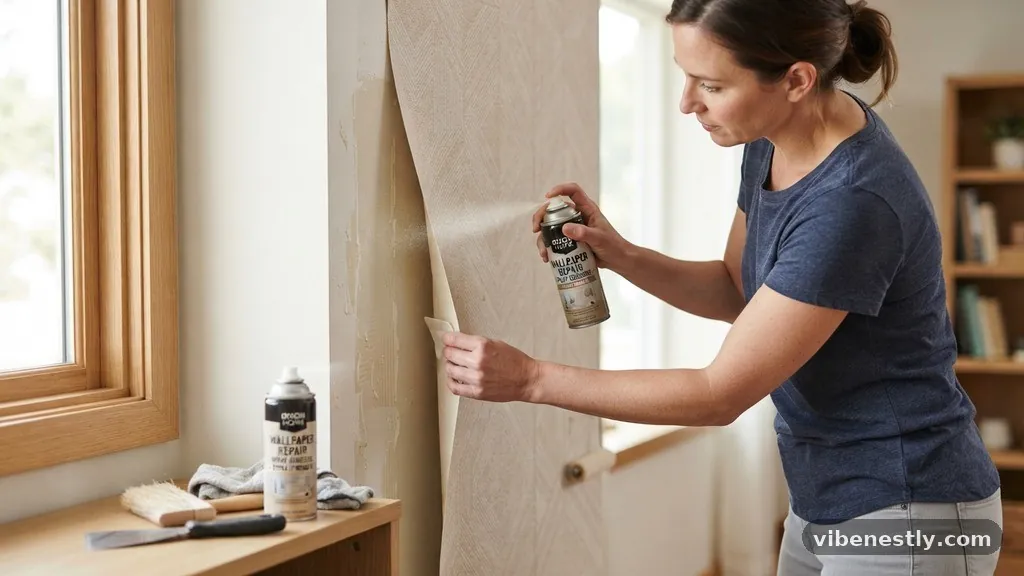
Many DIYers fail because they use too much adhesive, which can cause the wallpaper to bubble or warp. Only a light misting is necessary for most modern wall coverings.
Another frequent error is trying to force the paper into place before the adhesive has reached its proper level of tackiness. Allow the product to sit for a few seconds according to the instructions on the can before pressing the surfaces together.
Do not attempt to repair curling edges when the room is excessively humid. If you have just taken a hot shower or are working in a damp basement, the moisture in the air will interfere with the drying time.
Work in a climate-controlled environment to ensure the best possible results. Finally, avoid using heavy objects to prop the paper down, as this can leave permanent pressure marks on the finish.
When to Consider Professional Help
Sometimes, curling edges are a symptom of a larger installation failure. If you notice that large sections of your wallpaper are peeling or bubbling, a simple spot repair with spray adhesive may not be enough.
This could indicate that the wall was not properly primed or that the wrong type of paste was used during the initial application. In these cases, the entire strip of wallpaper might eventually need to be removed and re-hung.
If you are dealing with expensive, delicate, or antique wallpaper, it is often safer to consult a professional installer. They have the tools and experience to handle sensitive materials without causing further damage.
Trying to force a repair on high-end materials can often lead to costly mistakes that are difficult to undo. Weigh the cost of a professional visit against the value of your wall covering before proceeding.
Frequently Asked Questions
Is it safe to use spray adhesive on all types of wallpaper?
Not all wallpapers are compatible with aerosol adhesives. Vinyl-coated papers might react poorly to certain solvents, while delicate fabrics could stain. Always check the manufacturer’s care instructions and perform a patch test in an inconspicuous area before applying it to the main wall.
How long does the adhesive take to cure?
Most spray adhesives reach their initial tack within a minute, but a full cure can take up to 24 hours. Avoid touching or applying pressure to the repaired area during this time to ensure the bond remains undisturbed.
Can I use a hair dryer to speed up the process?
You can use a hair dryer on a cool or low-heat setting to help dry the adhesive, but avoid high heat. High temperatures can cause some adhesives to lose their grip or may even warp the paper, leading to more curling.
What if the edge curls again after a few weeks?
If the edge continues to lift, it may be due to improper surface preparation or persistent moisture issues in the wall. You may need to clean the area more thoroughly or consider using a stronger, dedicated seam adhesive that provides a more permanent chemical bond.
Will the spray adhesive leave a visible line?
If applied correctly in a thin, even coat, the adhesive should be invisible. If you see a line, it usually means you have used too much product or failed to wipe away the excess from the surface of the paper immediately.
Conclusion
Successfully managing your home maintenance projects often comes down to using the right techniques for the job. When you ask if you can use extra wallpaper spray adhesive on stubborn curling edges, the answer is a practical one that relies on careful preparation and precise application. By keeping the surface clean and working with small, controlled amounts of adhesive, you can restore your walls to their original, smooth state.
Remember to take your time, test your materials, and ensure the environment is suitable for the glue to set effectively. These small repairs can prevent larger issues from developing, helping you maintain the beauty of your home with confidence and ease. Feel free to start with a small, test-area repair today to see how easily this process can rejuvenate your living space.