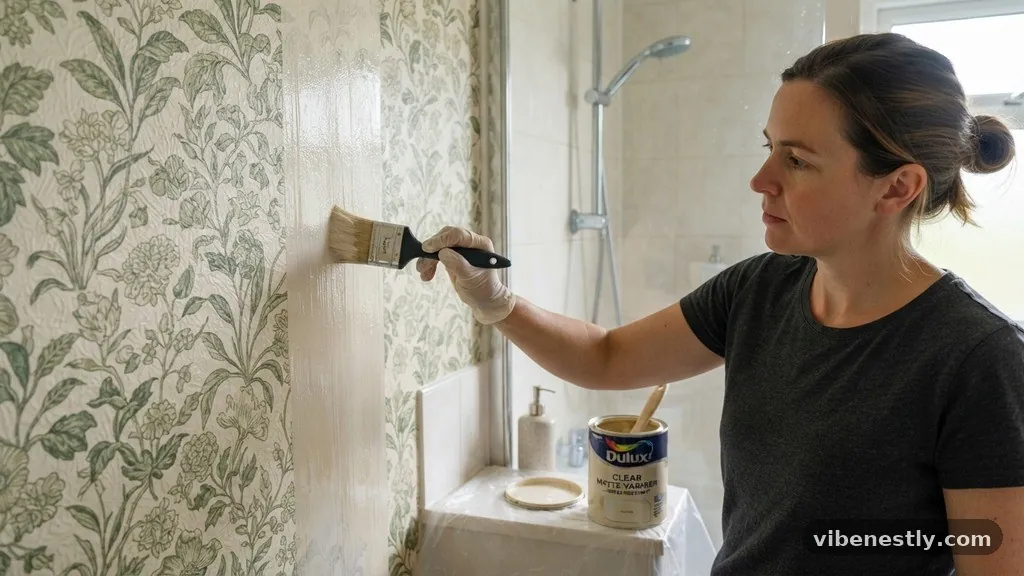
Applying Clear Matte Varnish Over Wallpaper: Does It Seal Against Water?
Applying clear matte varnish over wallpaper is a common technique used by homeowners and professional decorators to extend the lifespan of wall coverings. If you have ever wondered whether this process actually seals against water, the short answer is that it provides a significant level of moisture resistance but does not make the paper completely waterproof.
While a high-quality varnish can protect surfaces from light splashes, steam, and everyday wear, it is not a substitute for tile or specialized waterproof wall panels in high-humidity areas. Understanding how these products interact with different paper types is essential for achieving a durable, long-lasting finish that guards your decor for years to come.
Does Varnish Truly Seal Wallpaper Against Water?
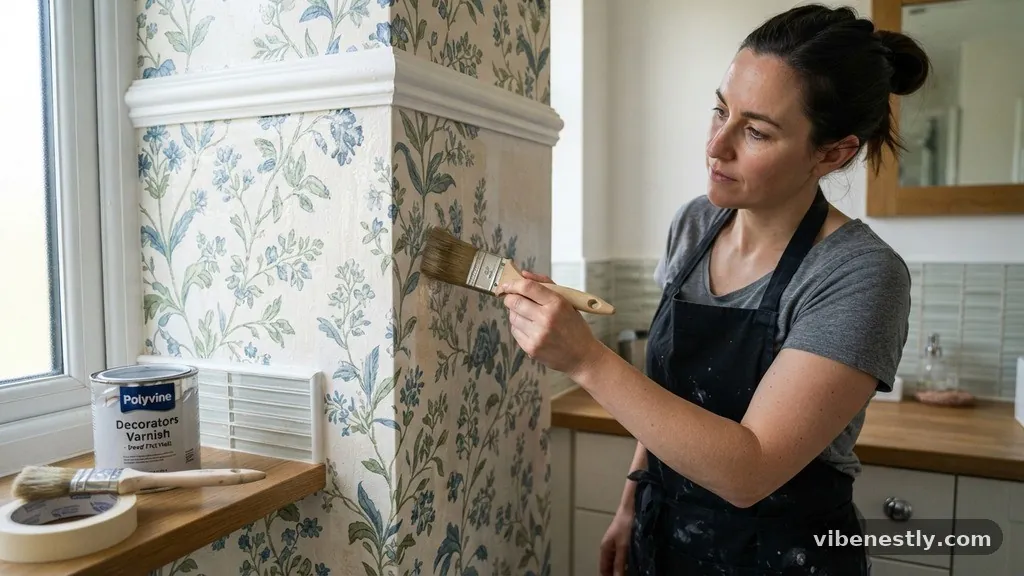
The primary function of applying clear matte varnish over wallpaper is to add a sacrificial layer that sits between the paper and the environment. While the varnish creates a barrier, it is crucial to recognize the difference between water resistance and full waterproofing. A properly applied coat will cause water to bead on the surface rather than soaking into the fibers, which is excellent for accidental spills or minor condensation.
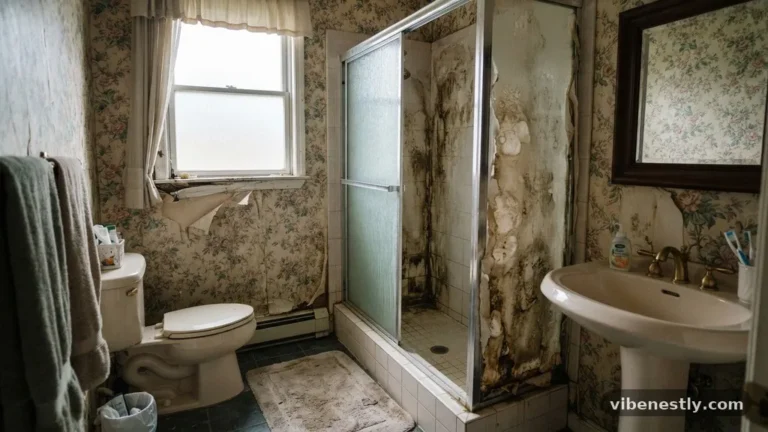
However, if you are looking to protect a wall inside a shower enclosure or directly behind a sink, varnish will eventually fail. The adhesive behind the wallpaper remains vulnerable to prolonged moisture exposure. Even if the front of the paper is sealed, water can still migrate behind the seams, causing the paper to bubble, peel, or grow mold.
Think of varnish as a shield against environmental humidity rather than a permanent barrier against liquid water. It is highly effective in dining rooms, hallways, or kitchens where you want to wipe down fingerprints or light food splatters. For those areas, the protection is more than sufficient.
Choosing the Right Product for Your Walls
Not all varnishes are created equal, and choosing the wrong type can ruin the aesthetic of your decor. Many people opt for a dead flat or matte finish because it preserves the original texture of the paper without adding an artificial sheen. If you choose a gloss or satin finish, you might find that the light reflects awkwardly off the texture of the wallpaper, making it look like cheap plastic.
Polyvine decorators varnish is frequently recommended by professionals because it is specifically designed for decorative surfaces. These products are water-based, meaning they are easier to apply and have lower volatile organic compound emissions than traditional oil-based alternatives. Always look for a product explicitly labeled as “dead flat” or “ultra-matte” to ensure the finish remains subtle.
Before you buy a large quantity, check the manufacturer’s recommendations. Some high-end wallpaper brands, such as the National Park Service’s guidelines on historic wall surfaces, emphasize testing a small, inconspicuous area first. This step ensures that the varnish does not cause the ink to bleed or the paper to discolor.
Preparing the Surface Before Application
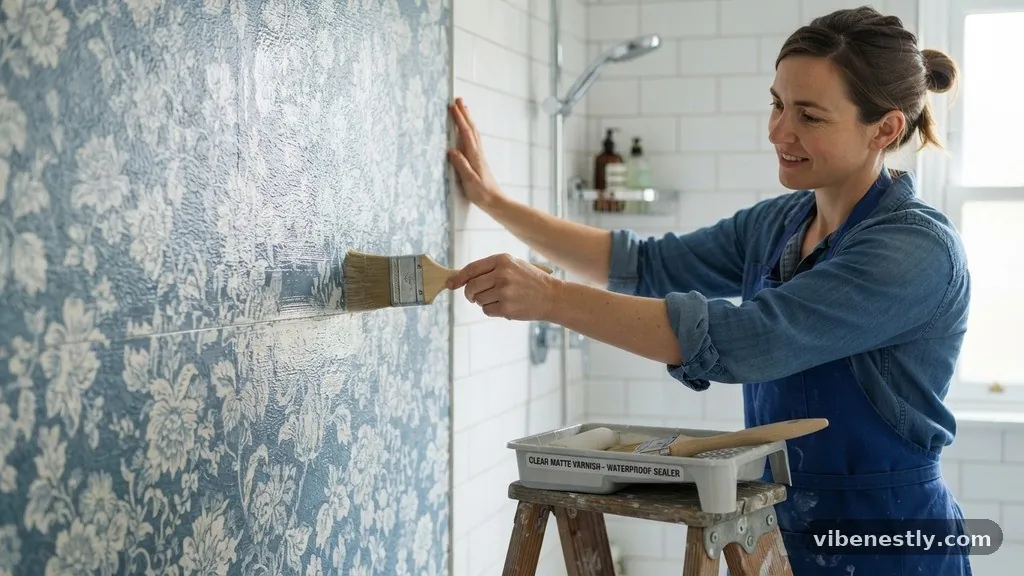
You cannot simply slap a coat of varnish onto a wall and expect a perfect result. The surface must be completely clean, dry, and free from dust or grease. If there is any dirt trapped under the varnish, it will be locked there forever, creating an uneven, gritty texture that is impossible to fix without removing the paper.
Use a soft, dry cloth to wipe down the wallpaper before you begin. If the paper is textured, use a soft-bristled brush to reach into the crevices. If you are working on older paper, be extremely gentle to avoid tearing the seams.
If the wallpaper has been hanging for years, check for any loose edges. Use a small amount of wallpaper paste to secure these spots before you apply any liquid. If you apply varnish over a loose edge, the liquid can seep behind it and cause the paper to sag, which will look unsightly once dry.
The Importance of Testing in a Hidden Spot
Testing is the most overlooked step in the process of applying clear matte varnish over wallpaper. Different wallpapers react differently to chemical sealants, especially those with metallic inks or delicate flocking. Applying a test patch allows you to see how the color changes when wet and whether the varnish alters the design.
Choose a spot behind a heavy piece of furniture or inside a closet. Apply a small square of varnish using the same brush or roller you intend to use for the rest of the wall. Let it dry for at least twenty-four hours to see the true final appearance.
Some papers might darken slightly when wet, and this change can become permanent after the varnish cures. If you notice the colors shifting or the paper beginning to warp, you should stop immediately. It is better to have a slightly less protected wall than one that has been permanently discolored by an incompatible product.
Application Techniques for a Professional Finish
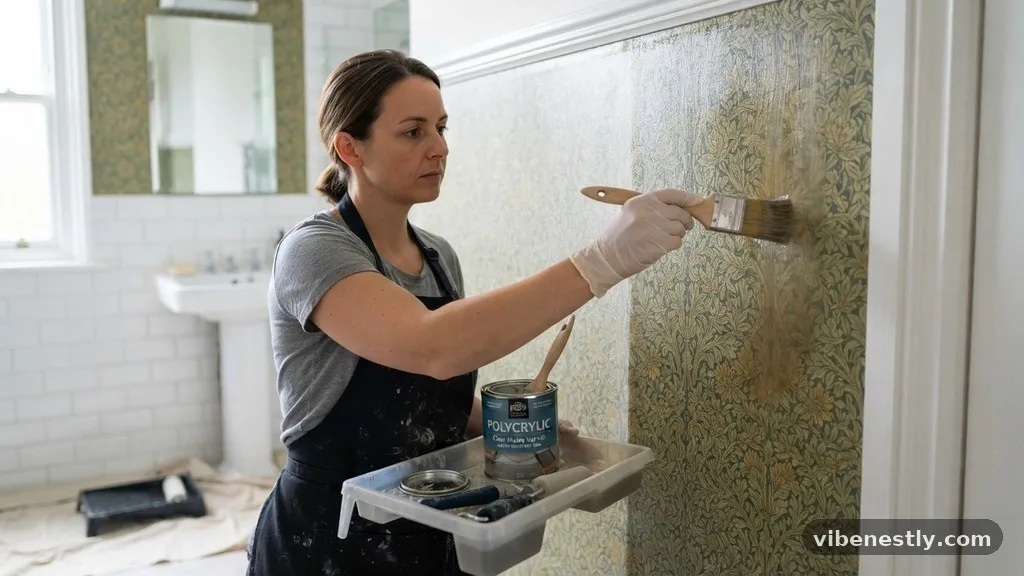
When it is time to apply the varnish, use a high-quality synthetic brush or a small foam roller. A foam roller is generally better for large, flat areas, as it minimizes brush strokes and ensures an even distribution of the product. If you are working with deeply textured paper, a brush might be necessary to ensure the varnish reaches into the indentations.
Work in manageable sections, starting from the top of the wall and moving downward. This prevents drips from landing on already finished areas. Always keep a “wet edge” to avoid visible lap marks where one section of varnish meets another.
Avoid over-working the product. Once you have applied a thin, even layer, leave it alone. Going back over partially dried varnish will pull at the film and create a patchy, streaky finish that looks unprofessional.
Layering Coats for Maximum Protection
One coat is rarely enough to provide adequate protection. Most professionals recommend applying at least two to three thin coats, allowing for sufficient drying time between each. The first coat will often soak into the paper, providing a base layer, while subsequent coats build the actual protective barrier.
Be patient with drying times. While a product might feel dry to the touch in an hour, it may take several hours to cure enough for a second coat. Rushing this process can lead to a cloudy appearance or a sticky surface that attracts dust.
If you are using a product like a decorator’s varnish, check the label for the recommended drying intervals. In humid environments, you may need to extend these times significantly. High humidity slows down the evaporation of the water content in the varnish, which can interfere with the final hardness of the finish.
Common Mistakes to Avoid
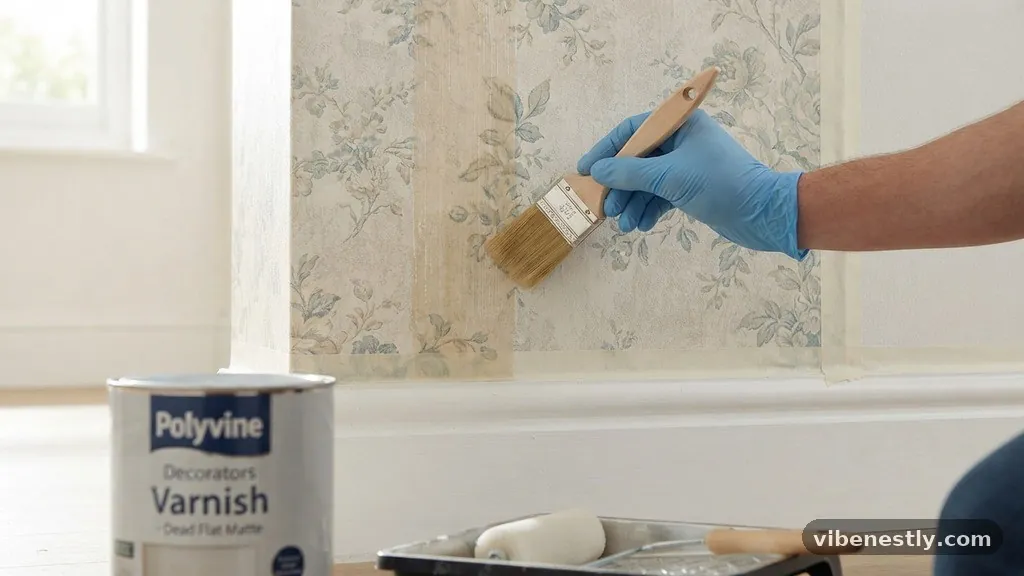
Many DIY enthusiasts fail because they apply the varnish too thickly. A thick layer is more likely to crack, peel, or turn yellow as it ages. It is always better to apply multiple thin coats rather than one heavy, saturated layer.
Another common error is applying varnish over fresh wallpaper. If you have just installed the wallpaper, wait at least 48 to 72 hours for the paste to cure completely. If you seal the paper before the moisture from the paste has escaped, you can trap that moisture, leading to mold growth or permanent bubbling.
Finally, do not shake the varnish container vigorously before use. Shaking introduces air bubbles into the liquid, which will then be transferred to your wall. Gently stir the product instead to ensure the matting agents are evenly distributed.
Comparing Protection Levels by Surface Type
The effectiveness of varnish depends heavily on the base material of your wallpaper. Not all papers respond to moisture in the same way, and some are inherently more durable than others. The table below outlines how different materials typically handle the addition of a clear matte varnish.
| Wallpaper Material | Varnish Compatibility | Water Resistance |
|---|---|---|
| Vinyl-Coated Paper | High | Excellent |
| Non-Woven Paper | Medium | Moderate |
| Grasscloth | Low | Poor |
| Traditional Cellulose | Low | Low |
Vinyl-coated papers are already semi-water resistant, so adding a varnish layer makes them highly durable. Conversely, natural fibers like grasscloth are porous and fragile. Applying varnish to grasscloth is risky, as it can darken the fibers significantly and change the natural look of the material.
Tools and Materials Checklist
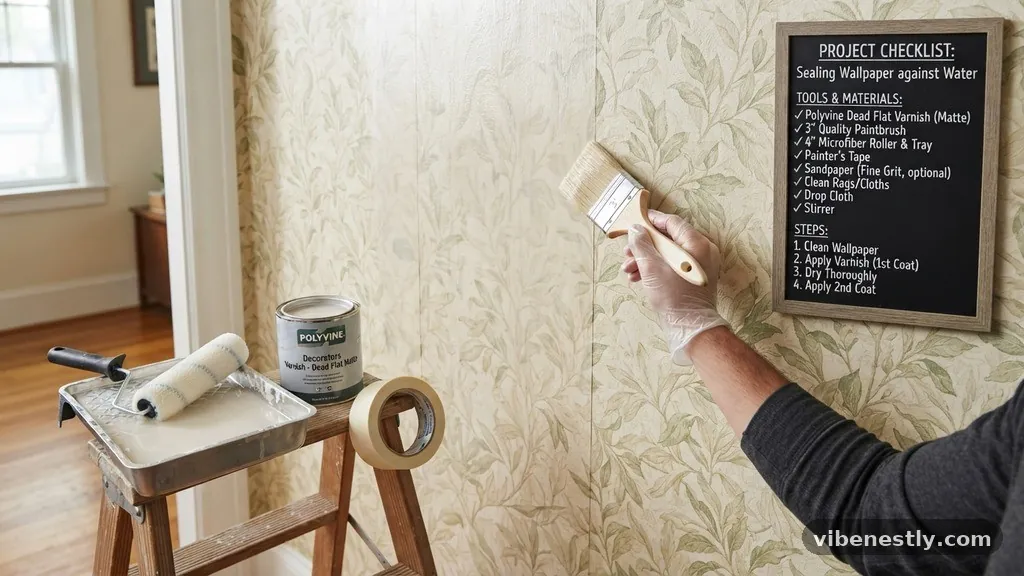
Before you start your project, gather all the necessary supplies to ensure a smooth workflow. Having everything on hand prevents you from having to stop in the middle of an application, which could lead to uneven drying.
* High-quality synthetic bristle brush for edges and corners
* High-density foam roller for large, flat surfaces
* Painter’s tape to protect baseboards and trim
* Drop cloths to catch any accidental drips
* A clean, dry microfiber cloth for surface preparation
* A paint tray for easy loading of the roller
* The chosen clear matte varnish product
Make sure your workspace is well-ventilated. While water-based varnishes have fewer fumes than solvent-based versions, they still release particles as they dry. Open windows or use a fan to maintain good airflow throughout the project.
Maintaining Your Varnished Walls
Once your walls are varnished, maintenance becomes significantly easier. You can treat the surface much like a painted wall.
Use a damp cloth to wipe away dust or light smudges. Avoid harsh chemical cleaners or abrasive sponges, as these can wear down the matte finish over time and create shiny spots.
If you notice that the water is no longer beading on the surface, it may be time to apply a fresh coat. This usually happens every few years depending on the amount of traffic the wall receives. Simply clean the wall thoroughly, let it dry, and apply a single thin topcoat to refresh the protection.
Keep an eye on the seams and corners, as these are the most common points of failure. If you see any signs of peeling or lifting, address them immediately with a small amount of adhesive to prevent water from working its way behind the protective layer.
Frequently Asked Questions
Can I apply matte varnish over metallic wallpaper?
Yes, but you must be extremely careful. Test a small area first, as the varnish can sometimes dull the metallic sheen or create an uneven look. Always use a high-quality, clear product and apply very thin, even coats to minimize the risk of changing the appearance.
Will the varnish make the wallpaper look yellow?
High-quality, water-based matte varnishes are designed to dry clear and should not yellow over time. However, cheaper or oil-based products can yellow as they age. Always check the label to ensure the product is non-yellowing and specifically formulated for interior decorative use.
Is it possible to remove the varnish later?
Generally, no. Varnish is a permanent addition to the wallpaper. If you decide you no longer want the finish, you will likely have to remove the wallpaper entirely. This is why testing is so important before you commit to the entire room.
Can I use this method in a bathroom?
While varnish adds water resistance, it is rarely enough for a bathroom with a shower or bathtub. The constant steam and potential for direct water contact will eventually penetrate the paper and cause damage. It is best to use specialized moisture-resistant wallpaper or tile in these areas instead.
How long does the varnish take to dry?
Most water-based varnishes are dry to the touch in one to two hours, but they require a full twenty-four hours to cure properly. During this time, avoid touching the walls or exposing them to high humidity, as the protective film is still developing its strength.
Final Thoughts on Wallpaper Protection
Applying clear matte varnish over wallpaper is a practical way to add a layer of defense against minor household accidents. By choosing the right product and following careful preparation steps, you can significantly increase the durability of your walls. Remember that while this process enhances resistance, it does not create a completely waterproof barrier.
Always prioritize proper surface cleaning and testing before committing to a full application. With the right approach, your walls will remain in excellent condition for years to come. If you have questions about specific wallpaper types or need further guidance, feel free to reach out for more tips on maintaining your interior decor.